

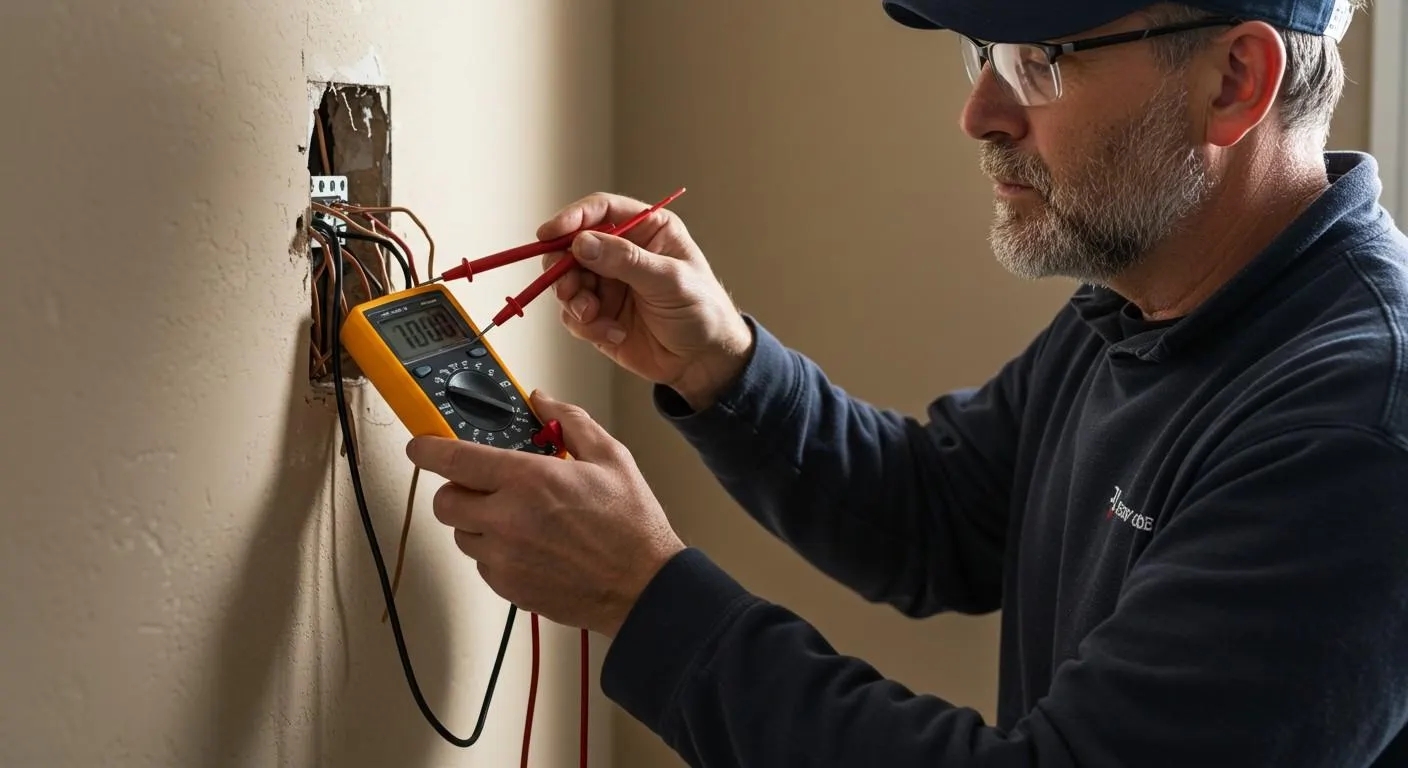
The most effective way to reduce an electrical business’s liability and workers-compensation claims is to attack the highest-severity exposure first — the energized circuit — and then work down through workmanship disputes and vehicle losses. Loss control is not a policy you buy; it is how you run the operation so the claims come less often and cost less when they do, and its payoff is the cleanest, most durable advantage an owner controls.
The short version: fewer and less-severe claims are the result of a handful of disciplines run every day, and their reward is a cleaner loss history — the thing an underwriter reads most closely on a trade defined by severe, long-tail losses. This post walks the levers in order of impact. It references the OSHA electrical safety post for what the federal rules require rather than re-teaching it, and points to the workers compensation and general liability pages for how the coverage behind these exposures is built.
Start where the severity is: safe-work and lockout discipline
The first and largest lever is safe-work discipline on energized circuits, because shock, electrocution, and arc flash are the electrical trade’s defining exposures and its most expensive claims. The OSHA electrical safety post covers what the federal rules actually require, so this is not the place to restate them — the loss-control point is narrower: the same practices that satisfy the regulation are the ones that prevent the severe workers-compensation losses that drive an electrician’s cost. A disciplined program means a written energized-work protocol that de-energizes and verifies before hands go near a conductor, lockout and tagging applied and enforced rather than skipped under schedule pressure, the right personal protection used on every task, and the training and procedures documented. Prevent the incident and you prevent the claim; prevent the claim and the loss history a carrier prices stays clean. Everything else in this playbook matters, but nothing matters as much as this, because nothing else the trade does carries the same severity when it goes wrong.
Control workmanship — and document it
The second lever is quality control on the work itself, aimed squarely at completed-operations claims — the failures that surface after the installation is finished and the crew is gone, including the electrical-fire allegation that a finished circuit contributed to a loss down the line. Two things move this exposure. The first is craftsmanship during the job: correct terminations, torque, conductor sizing, and grounding, verified before the crew leaves rather than discovered later. The second, and the one contractors under-invest in, is documentation — dated photos of the work, inspection and permit sign-offs, and records of the materials and devices installed. When a completed-operations claim is alleged months or years on, the contractor with a clean file can show what was actually done, which limits both the disputes that turn into claims and the defense cost of the ones that proceed. Good workmanship does not erase completed-operations exposure — the long tail on electrical work is exactly why the general liability coverage exists — but it reduces how often and how expensively those claims arrive. And because that same documentation is what a carrier can actually see at renewal, workmanship records do double duty: they limit the claim, and they evidence a well-run operation to the underwriter reading the file.
Protect the crew that does the work: hiring, training, and supervision
The third lever is the people side, because every practice above depends on trained crews who actually follow it. Disciplined hiring, a real onboarding that covers the energized-work protocol before a new electrician touches a live panel, ongoing training as codes and methods change, and supervision that catches the shortcut before it becomes a claim are what turn a written program into a lived one. A safety manual in a drawer does nothing; a crew that knows the lockout sequence cold and a foreman who enforces it are what lower losses. This lever also compounds the others — a well-trained crew makes fewer workmanship errors, drives more carefully, and produces cleaner documentation — so investment here shows up across every line of the loss history rather than in one place.
Turn practice into proof: documentation and incident review
The fourth lever is the one that makes the first three visible, and it is the one owners skip most: writing things down and reviewing what goes wrong. A safe-work protocol that lives only in the foreman’s head cannot be shown to an underwriter, defended after a claim, or taught to the next hire the same way twice. The fix is unglamorous — a written safety program kept current, dated training and toolbox-talk records, energized-work permits and lockout sign-offs, and a simple file of job photos and inspection records — but it is what converts good practice into evidence a carrier can actually read. Two contractors can run equally careful crews; the one who documents it holds a file that reads as a managed risk, while the one who does not looks, on paper, like an unknown.
Incident review is the other half. Not every close call becomes a claim, and the near-miss — the almost-energized panel, the ladder that nearly slipped, the near-collision on the way to a job — is free information about where the next real loss will come from. A short, blame-free review after an incident or a near-miss, with the fix written down and folded back into the training, is how a business stops the same failure from recurring. Over a few years that discipline is what separates a loss history that trends down from one that repeats the same claim under a different date. It costs almost nothing but attention, and it feeds directly into the two things a carrier weighs most: how often losses happen and whether the business learns from the ones that do.
Manage the trucks: driver and vehicle safety
The fifth lever is one owners often treat as separate from the trade, and it is not: service-truck and driver safety. Electrical crews drive loaded trucks and vans between jobs every day, and a commercial-auto loss lands in the same account and the same loss history an underwriter reads as the shock and fire exposures do. Driver screening before hiring, a written vehicle-use policy that covers who may drive and how, basic maintenance discipline, and attention to how ladders, reels, and material are secured all reduce the auto claims that would otherwise drag the file. The commercial auto page owns how that coverage is built; the loss-control job is to keep the trucks out of the claim column, because an at-fault vehicle loss can rival a jobsite injury in cost and it is entirely separate from how well the crew wires a panel.
Real-World Scenario: Two electrical contractors run comparable service-and-remodel businesses with similar revenue and crew size. One runs a written energized-work protocol with lockout sign-offs, dated training records, a vehicle-use policy, and a habit of reviewing every near-miss; the other keeps the same practices in people’s heads and the paperwork thin. Neither has had a catastrophic loss. But when each applies for coverage, the underwriter sees two different accounts — one that can document a managed program and a clean, reviewed loss history, and one that cannot. Same trade, same tools; over a few renewals the documented program is what a carrier can actually read, and it shapes both the price and whether the account is wanted at all.
How fewer claims read to an underwriter — and where the coverage sits
Tie the levers together and the payoff is a single asset an owner earns rather than buys: a clean loss history. No carrier publishes a “ran-a-safety-program discount,” and this post names no percentages because none would be honest — the mechanism is entirely through the claims. An electrical account is defined by severe, long-tail exposures, and an underwriter assessing it looks hard at how the contractor manages them. Fewer and less-severe workers compensation losses, cleaner general liability completed-operations experience, and a quiet commercial auto file read as a risk being run deliberately, and over time they are what shape both the price a carrier offers and whether it wants the account at all. The claims record is one input among several, and our electrical contractor insurance cost guide lays out the rest of what shapes the cost of an electrical program.
The practical takeaway is that loss control and insurance are the same conversation held at two different times. The disciplines above are what you do every day; the coverage is what responds when a loss gets through despite them, because no program eliminates the risk entirely. Run them as a pair. Build the program because it protects your people and your finished work, keep the records because they are what a carrier can actually see, and carry the coverage because the exposure never reaches zero. When you are ready to put the coverage side in place, start a quote, tell us how your crews work, and browse the coverage overview to see where each line sits behind the exposures this playbook is built to lower.