

Vermont electrical contractor insurance has no published price, and there is a telling detail in how the state licenses the trade: electricians here are licensed through the Division of Fire Safety. That placement is not an accident — it reflects how directly electrical work ties to fire prevention, which is exactly the exposure a carrier prices first for this trade.
The state built its licensing around the fire connection, and so does the underwriting. Below is what actually moves the number for a Vermont electrical operation — the fire tail, the license ladder, the crew, the work mix, and the rural snow-belt exposure — and what you can do about each.
Why Vermont licenses electricians through its Division of Fire Safety — and what that signals
Vermont licenses electricians statewide through the Electricians’ Licensing Board within the Department of Public Safety’s Division of Fire Safety, which issues specialist, journeyman, and master electrician licenses; journeymen work under the direction of a master electrician, and master licensure follows time as a journeyman. Housing the credential under fire safety reflects a real relationship: faulty terminations, overloaded circuits, and failed connections are among the leading electrical causes of structure fires. For your insurance, that underscores the same point a carrier prices — the completed-operations fire tail on the work you leave behind is the class’s defining exposure. Vermont regulates the insurance market through its Department of Financial Regulation, and understanding that fire connection is understanding your cost.
Why there is no published price for Vermont electrical contractor insurance
A premium is the output of an underwriting model, not a sticker. The carrier takes your specific exposures — how many people you employ and what they do, the revenue behind your completed work, your loss history, and the limits your contracts require — and prices each line against them. Change any input and the number moves. For an electrical contractor the cost is built mostly from two things: the crew exposed to electrocution, arc-flash, and fall hazards, and the fire tail on the panels and connections it leaves behind. For the full market and regulatory picture, see our Vermont electrical contractor insurance page; this one is the cost explainer that companions it.
Revenue and the completed-operations fire tail — the work you leave behind
Because Vermont ties licensing to fire safety, start where the underwriting does. Your revenue is a rating basis for general liability, but for an electrical contractor the exposure that defines the class is completed operations — the work you leave behind. A panel, connection, or circuit keeps energizing after your crew is gone, and a loose termination or latent fault can overheat and start a fire weeks or months after the job closes, becoming a serious third-party property-damage claim long after you were paid. The completed-operations side of general liability is the signature line built to answer for it, and because installed electrical work carries such a long tail, your revenue and your workmanship-and-inspection record are inputs a carrier weighs closely. This is the electrical contractor’s defining cost driver — and the very risk the state’s fire-safety framing is built around.
Crew payroll and the workers-compensation decision
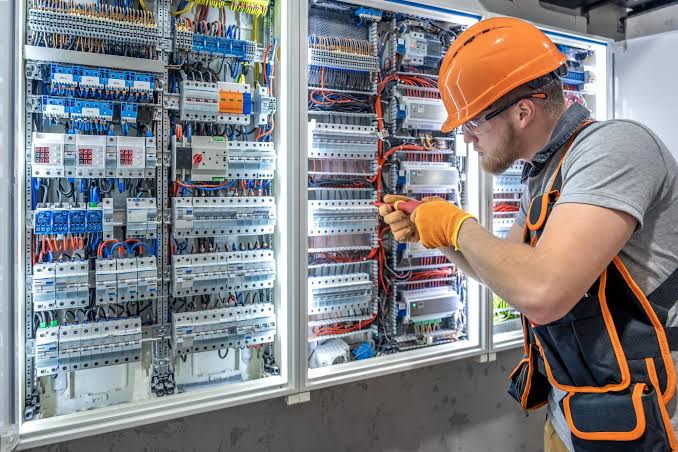
Payroll is usually the single biggest driver for an electrical contractor, because it scales both your workers compensation and a large part of your general liability. It is not just the size of the payroll — it is which work it covers. Electrical work carries genuine injury severity, for plain reasons: crews work on energized equipment, face arc-flash and electrocution hazards, and climb and work at height, which is why the Occupational Safety and Health Administration treats electrical safety as a defining regime and why the industry works to the NFPA 70E arc-flash standard. Vermont is a private-market comp state, so an electrical business places comp with a private carrier, and the classifications and employers’-liability sizing behind an electrocution-and-arc-flash-exposed crew are where the money lives.
The license ladder and your labor mix
Vermont’s specialist, journeyman, and master ladder under the Division of Fire Safety is a cost input in a way owners often miss. The mix of specialist, journeyman, and master labor on your crews shapes both your payroll composition and the risk profile a carrier reads, because supervised, credentialed work — journeymen working under a master electrician — tends to correlate with the workmanship quality that limits completed-operations claims. The ladder is a labor-cost shaper, not a premium line, but it is part of the picture a carrier builds, and it dovetails with the fire-tail focus the state’s licensing structure emphasizes.
Residential, commercial-industrial, and power-line — the work-mix driver
The kind of electrical work you do moves the number as much as how much you do. A residential electrical service and remodel operation carries a completed-operations fire profile driven by panel upgrades, rewires, and fixture work in occupied homes — and Vermont’s older housing stock sustains steady rewiring demand. A commercial and industrial contractor carries a different signature: larger systems, additional-insured and higher-limit contract demands, and the design-build professional exposure. And a power-line contractor sits at the severe end — energized line work along rural, tree-lined distribution, bucket-truck fleets, and the arc-flash severity that makes it among the highest-rated classes there is. Same trade, genuinely different cost conversations.
Real-World Scenario: A Burlington service-and-remodel electrician runs panel upgrades and rewires in older homes, staffing journeymen under a master electrician, while a rural power-line contractor runs energized restoration along tree-lined distribution after a winter ice event. Both leave finished electrical work behind that has to hold through hard winters, but a carrier reads them differently — the residential crew’s exposure rides the completed-operations fire tail in aging homes, the power-line contractor’s on arc-flash severity and cold-weather line work. Same Vermont, same electrical class, priced from different pictures.
Snow, rural lines, and your Vermont loss history
Vermont’s deep winter snow-and-ice loading and its long stretches of rural, tree-lined distribution line mean storm-restoration and service-and-feeder repair after outages are a recurring part of the trade, while an older, weathered housing stock sustains rewiring and panel-upgrade demand. For an electrical contractor that shapes cost in two ways. It drives demand, so restoration and upgrade volume stays steady through the seasons, and a carrier reads the revenue behind that work. And outdoor restoration in cold, icy conditions concentrates loss activity, so your claims history — how the work you left behind performed, and how your crew handled live gear — is a driver a carrier weighs closely. A clean record in a demanding climate is worth more than any promotional pitch.
Trucks, equipment, copper, and the coverage stack
Beyond the crew and the completed work, a carrier prices what you drive, what you own, and how your program is built. Commercial auto covers the vans, service trucks, and bucket trucks hauling crews, tools, and wire across rural roads, and it grows with your rolling stock. Contractors’ equipment — inland marine — covers the testers, meters, benders, lifts, and wire spools on the jobsite and in transit. And the electrical stack carries seven core lines rather than a lean handful, because commercial property answers for the shop, warehouse, and the copper, panels, and materials staged inside it — a real theft-and-damage exposure and a genuine premium factor. Whether you schedule your equipment to value, add the umbrella limits a general contractor or utility demands, and set your limits to your contracts all feed the number. The full coverage overview shows how each line fits together.
Additional-insured demands and your contract limits
As a Vermont electrical operation takes on larger work, the contracts you sign become a real input to your cost. General contractors and project owners routinely require additional-insured status, specific general liability limits, and sometimes umbrella minimums written into the agreement. Those obligations are not optional once you sign, and a program that does not meet them can cost a job or leave a gap where the contract assumed coverage. A carrier sizes them against the agreements you actually hold, which is why describing your contract stack matters. Two related lines ride alongside. Professional liability — design-build errors-and-omissions cover — answers for the design side of electrical work rather than the installation, and it matters more as a commercial and industrial contractor takes on load calculations and system layouts a client relies on; a wrong design is a professional exposure the completed-operations form does not answer, distinct from a faulty termination. And class-code accuracy on the workers compensation side — the codes that describe your payroll’s work — drives a large part of the number, so getting them right prices you for what you actually do. For a residential service-and-remodel shop working Burlington-area homes these may be minor; for a design-build commercial operation they can be defining. Describing where your work sits on that spectrum is part of building a Vermont program that fits the work rather than one built on guesses — and it is one more reason the electrical stack runs to seven core lines rather than a lean handful.
How to get an accurate Vermont quote
The path to a real number is to describe your real operation. Tell a broker your crew payroll and the work it covers, your revenue and the kind of electrical work you leave behind, how your crews sit on the license ladder, your residential-versus-commercial-industrial-versus-power-line mix, your trucks and equipment values, your arc-flash and claims history, the limits your contracts require, and where in Vermont you work. From there a carrier with genuine electrical appetite can price it — and you can compare apples to apples instead of chasing a headline rate. When you are ready, start a quote and tell us how your crews work, or see the Vermont electrical contractor insurance page for the market and regulatory picture behind these drivers.